Commercial Industry
Recreation
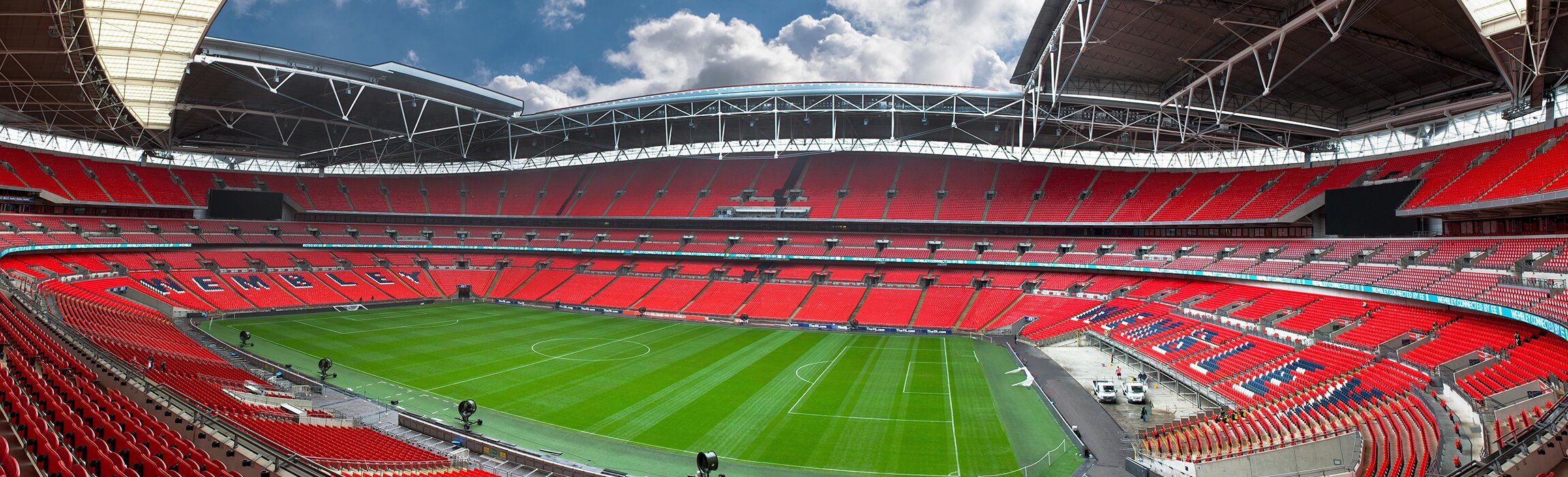
Heat Traced Solutions for Stadiums
Recreation facilities—including arenas, stadiums, athletic centers, and amusement parks—are complex structures designed to host large numbers of people and support a wide range of activities. Managing the infrastructure of these buildings presents unique challenges, especially when it comes to maintaining safety, ensuring operational continuity, and providing comfort for everyone inside. Heat tracing systems play a critical role in addressing these challenges.
Common vulnerabilities in building operations and public safety include:
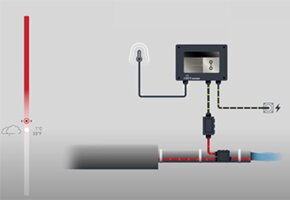
- Plumbing Systems: Water supply and drainpipes located in unheated zones and public restrooms are susceptible to freezing, particularly in colder climates. Installing heat tracing helps prevent frozen pipes, ensuring reliable water flow and reducing the risk of costly damage`.
- Grease Waste Pipes: Food concession areas produce grease waste that can solidify and clog pipes. Heat tracing maintains proper temperatures, preventing grease buildup and keeping waste lines clear`.
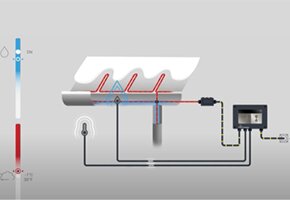
- Roof Drains and Gutters: During winter, ice dams and icicles can form on roofs and gutters. These conditions can lead to water intrusion or pose safety hazards for pedestrians. Heat tracing systems melt snow and ice, eliminating these risks and maintaining safe access to the building.
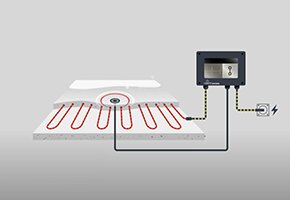
- Exterior Walkways, Outdoor Tracks, and Entrances: Snow and ice accumulation on entrances, steps, and walkways create slip hazards. Surface heat tracing reduces the risk of falls, improving safety for athletes and visitors alike.
- Seating Areas and Stairways: Installing heat tracing under outdoor seating, stairs, and ramps minimizes ice buildup and slip hazards, making these areas safer for everyone.
- Field Drainage Systems: In colder climates, heating cables can keep drains free-flowing to avoid flooding or field damage, and thus, protect the integrity of playing surfaces.
- Mechanical Rooms: Pipes serving HVAC, water supply, and pool operations, especially in less-heated areas, are vulnerable to freezing. Heat tracing keeps these systems functioning smoothly, reducing the risk of operational disruptions.


Case Study
Arsenal's Emirates Stadium