Commercial Industry
Healthcare
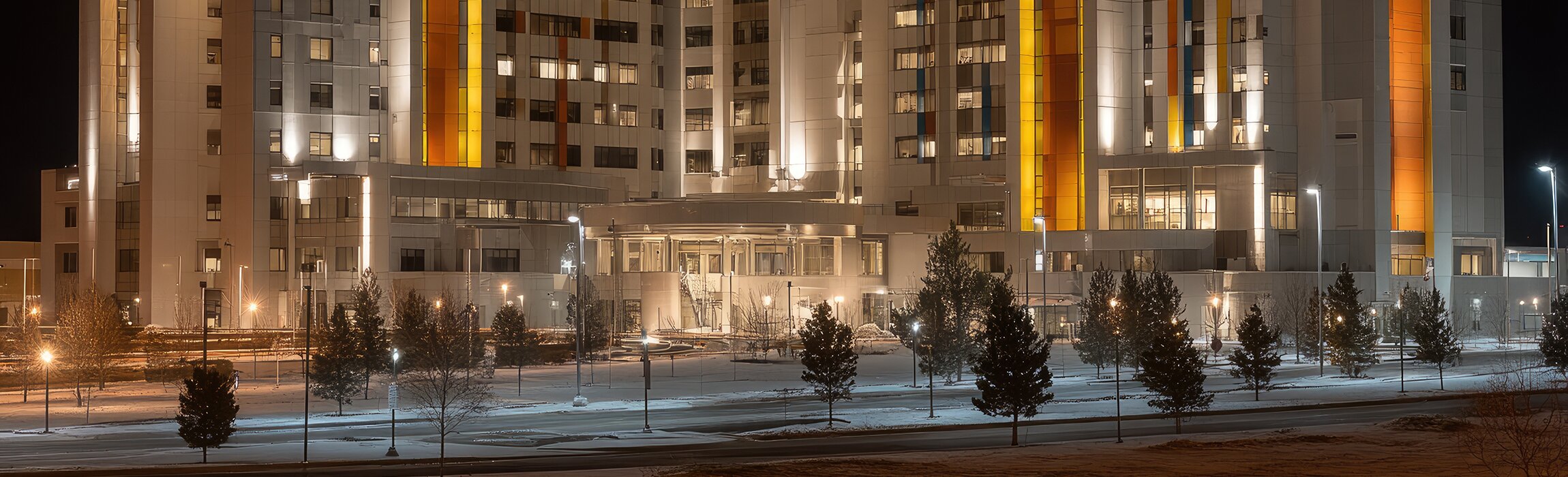
Healthcare buildings, such as hospitals and medical centers, are sophisticated structures designed to ensure a safe, comfortable, and hygienic environment for patients, healthcare professionals, and visitors. These facilities typically feature multiple floors and specialized zones, including patient rooms, operating theaters, intensive care units (ICUs), laboratories, diagnostic imaging suites, pharmacies, administrative offices, and essential support services such as kitchens and laundry areas. The infrastructure also includes mechanical and electrical rooms, corridors, stairwells, and utility spaces.
Common vulnerabilities in building operations and public safety include:
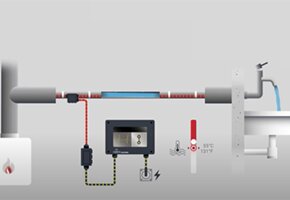
- Domestic Hot Water Systems: Areas such as patient rooms, operating theaters, washrooms, and laundry facilities rely on a consistent supply of hot water. Heat tracing prevents temperature drops in long or complex piping systems, ensuring instant hot water at taps and showers and reducing the risk of Legionella bacteria growth.
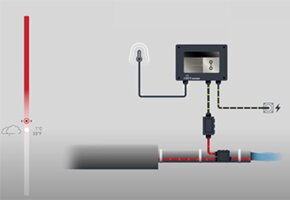
- Critical Water Supply Lines: Pipes located in cold or unconditioned spaces—such as those on rooftops, exterior walls, or within mechanical rooms—are susceptible to freezing. Heat tracing prevents pipe bursts and ensures a continuous water supply to essential departments.
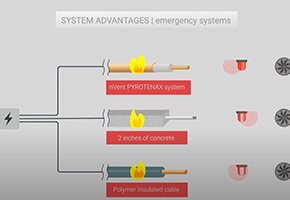
- Sprinkler and Fire Protection Systems: Fire suppression pipes in unheated areas, including exterior sections, are prone to freezing. Heat tracing keeps these systems operational, preserving fire safety. Additionally, life safety circuits, phone lines, and data cables require secure, fire-rated solutions to remain functional during emergencies.
- Medical Gas Lines: Certain medical gases need temperature control to prevent condensation or freezing, especially in exposed or external piping.
- Laboratories and Sterilization Areas: These zones often require precise temperature management for fluids used in cleaning and sterilization. Heat tracing maintains optimal fluid temperatures for effective operations.
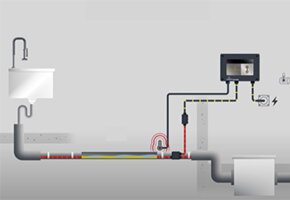
- Drainage and Waste Pipes: In cold weather, heat tracing prevents ice formation and blockages in waste lines, which is crucial for infection control and overall facility hygiene.
- Roof and Gutter De-Icing: Ice dams and dangerous icicle formation can form on roofs, gutters, and downspouts during winter, leading to leaks, structural damage, or danger for pedestrians. Heat tracing systems melt snow and ice, preventing these problems and ensuring safe building access.
- Outdoor Walkways and Ramps: Accumulation of snow and ice on entrances, steps, ambulance ramps, and walkways create hazardous conditions. Surface heat tracing reduces the risk of slips and falls, improving safety for both guests and staff

Blog Post
Why Type MI is Specifically UL2196 Approved Fire-Rated Cable For Use in Hospitals